

Jingzhou
Ironclad Walls of the Former Chu Capital
Located in Jingzhou District, Hubei Province, Jingzhou Ancient City is one of China’s first 24 National Famous Historical and Cultural Cities and a national 4A tourist attraction. Once the capital of the Chu Kingdom, it is now known for its well‑preserved city walls, traditional temples and the Jingzhou Museum showcasing Chu culture.
From ancient Chu province to Qing‑era fortress
Ancient Jingzhou and the State of Chu
Historically, Jingzhou was one of China’s nine ancient provinces and served as the capital city of Chu, then called Ying, during the Spring and Autumn and Warring States periods. It played a crucial role as a political, military and trade hub on the middle reaches of the Yangtze River and is often referred to as the cradle of Chu culture.
City walls and “Iron Jingzhou”
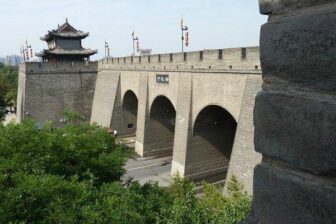
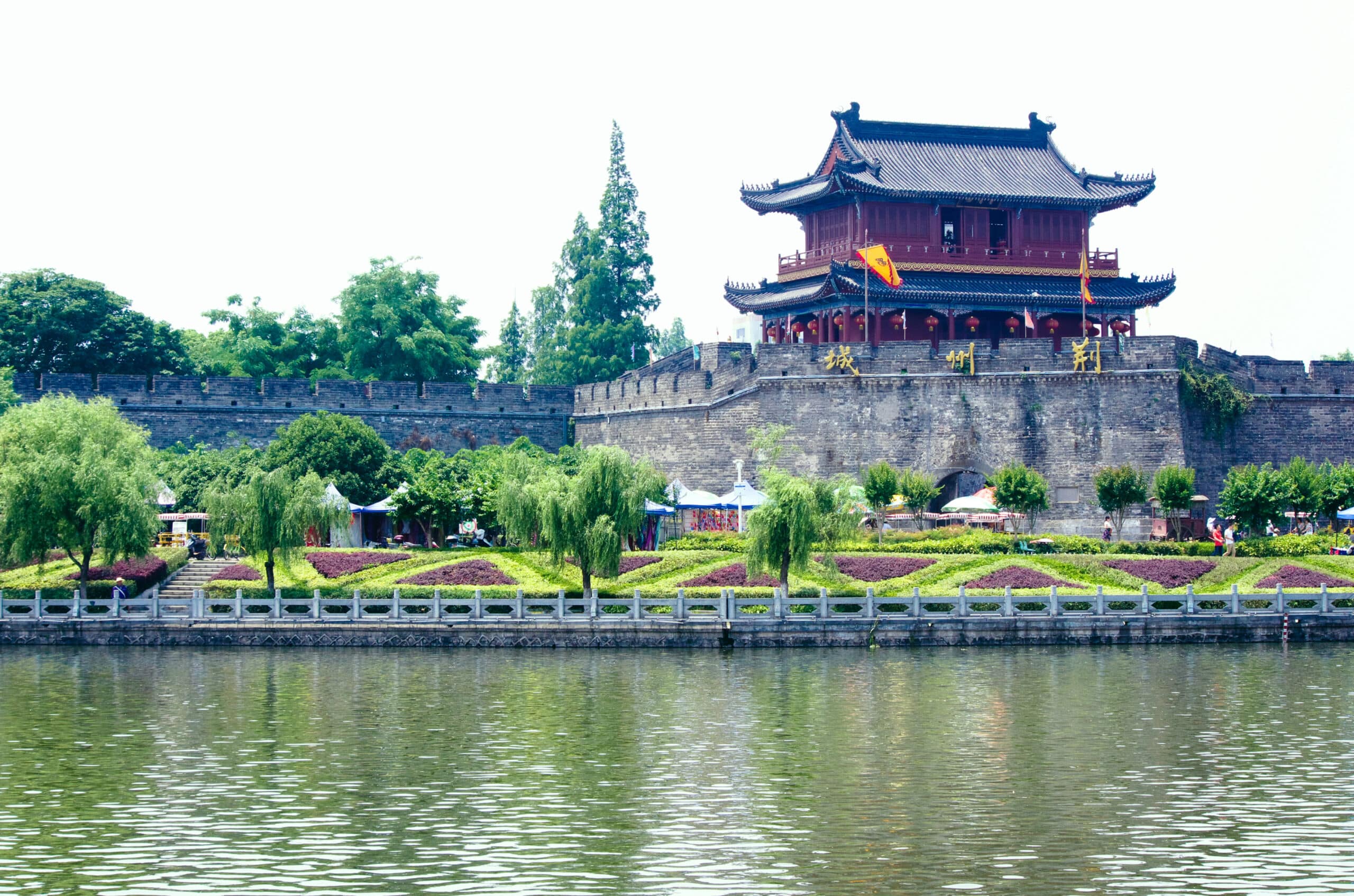
The city walls of Jingzhou were first built in the Eastern Han dynasty, then rebuilt and reinforced over successive dynasties. The existing walls were reconstructed on the original foundations in the early Qing dynasty (3rd year of Emperor Shunzhi), making them one of the four best‑preserved ancient city walls in China. They now extend for about 10–10.5 km in circumference and stand roughly 9 m high, complete with barbicans, watchtowers and defensive structures, earning the nickname “Iron Jingzhou” for their formidable design.
Walls, gates and historic sites inside the city
Walking along the ancient walls
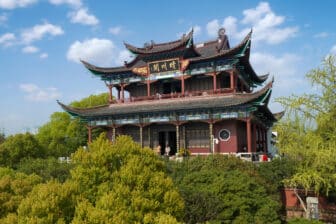
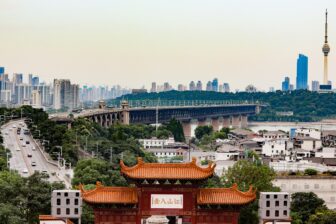
Jingzhou’s walls encircle the old town with nearly 10 km of continuous fortification, bordered by moats and water bodies that can be explored on foot or by tourist buggy. There are currently eight city gates, including Gong’an Gate, the only water gate, and gateways like Binyang Tower on the East Gate, which offer panoramic views over the city. Visitors can walk along long stretches of the wall, climb gate towers and enjoy views across both the historic core and the modern city beyond.
Zhang Juzheng’s residence and Guandi Temple
Inside the walls, several key sites highlight Jingzhou’s political and religious past:
-
- Former Residence of Zhang Juzheng – built in memory of Zhang Juzheng, the powerful Grand Secretary of the Ming cabinet, known for his major political reforms.
- Guandi Temple – regarded as one of the oldest Guandi temples in China, together with the Guandi Temple in Jiezhou (Shanxi), it forms one of the four major memorial sites for Guan Gong nationwide.
Strolling through the old city streets, travellers still find traditional houses, gates and small temples, giving Jingzhou a more intimate, lived‑in feel than some larger walled cities.
Jingzhou Museum – Exploring Chu culture and archaeology
National first‑grade museum : The Jingzhou Museum, located within the ancient city, is recognised as a national first‑grade museum and also a 4A tourist attraction. It focuses on the archaeology and culture of the Chu Kingdom, as well as the broader history of the Jianghan Plain.
Collections and highlights : The museum houses around 169,000 artifacts, including hundreds of first‑class national cultural relics, such as bronzes, lacquerware, jades, silk textiles and well‑preserved ancient human remains from Chu tombs. For visitors, it provides essential context for understanding Jingzhou’s role as Chu’s capital, and complements the experience of walking the ancient walls.
Climate and best time to visit Jingzhou
Jingzhou has a humid subtropical monsoon climate with clearly defined seasons:
-
- Changeable, cloudy‑and‑sunny springs,
- Hot, humid summers,
- Pleasant, dry autumns,
- Cool to mild winters, occasionally with snow.
The average annual temperature is about 16 °C, and roughly 80% of the city’s rainfall occurs between April and October.
The ancient city can be visited year‑round, but spring and autumn are the most comfortable times for walking the walls and exploring the old town on foot.