

Shennongjia
Primeval Forests, Alpine Wetlands and UNESCO “Triple Crown”
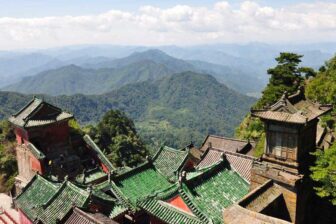
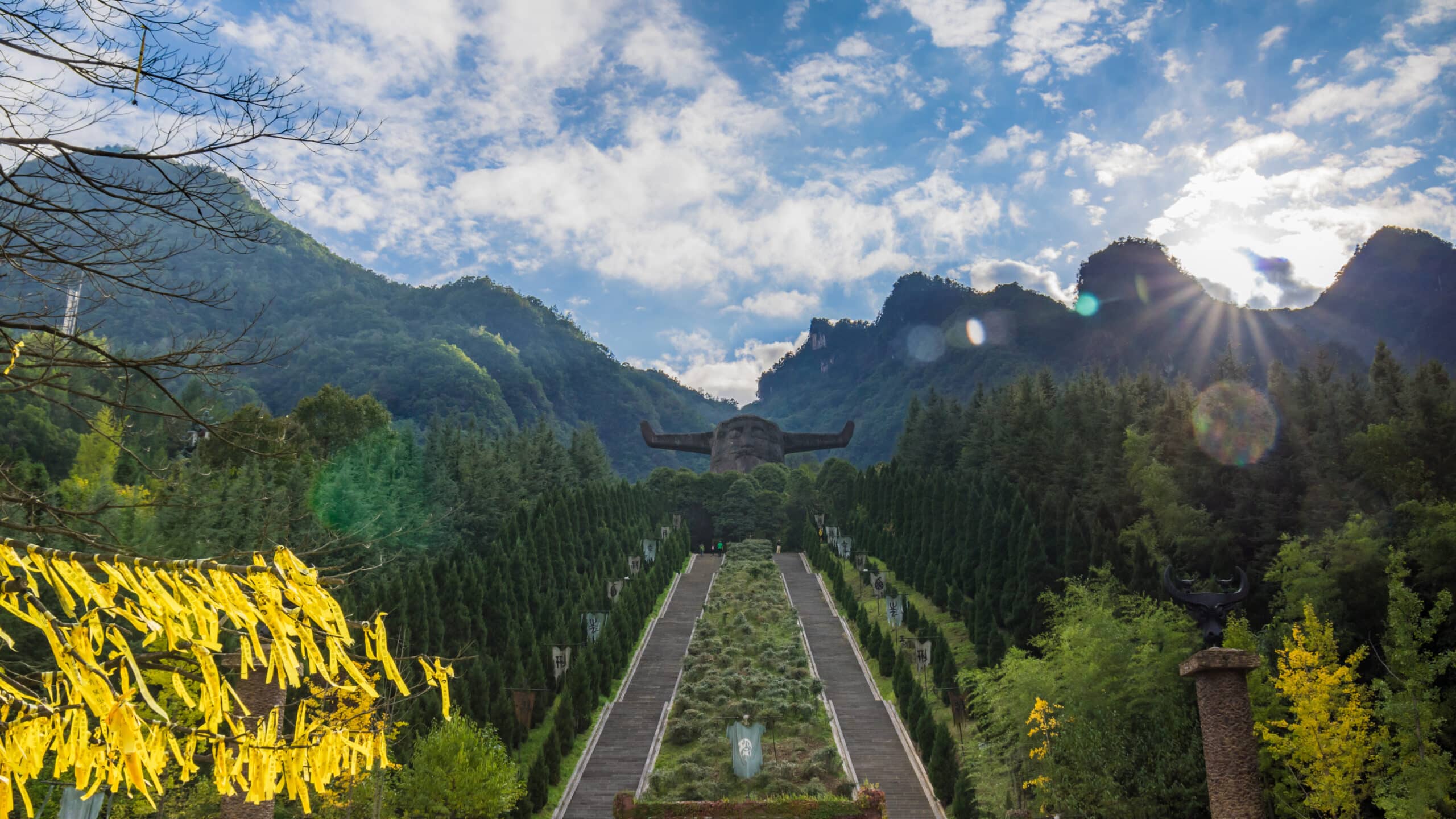
In western Hubei Province, the Shennongjia Ecotourism Area protects one of the most intact forest landscapes in central China. It is China’s only site to hold UNESCO’s “Triple Crown”: Biosphere Reserve, Global Geopark and World Natural Heritage status.
UNESCO “Triple Crown” and a true biodiversity hotspot
Three different UNESCO designations
Shennongjia is globally recognised as:
-
- a UNESCO Man and the Biosphere Reserve,
- an UNESCO Global Geopark,
- a World Natural Heritage Site, inscribed in 2016 for its outstanding floral and faunal diversity.
The protected area covers more than 3,200 km², with elevations ranging from about 420 m to over 3,100 m, creating a wide range of ecosystems and vegetation belts.
“Natural oxygen bar” and “gene bank of species”
With roughly 90–91% forest cover, Shennongjia is often called a “natural oxygen bar” and a “gene bank of species”. It harbours an exceptional range of plants and animals, including:
-
- the golden snub‑nosed monkey,
- the dove tree (Davidia involucrata),
- many rare, endangered and endemic species.
Scientists estimate that Shennongjia hosts about 12–13% of China’s vascular plant species and around 1,500 golden snub‑nosed monkeys, making it a key site for global biodiversity conservation.
Main scenic spots in Shennongjia
Shennong Peak – The “Roof of Central China”
Shennong Peak (Shennongding) is the highest summit in Shennongjia, reaching just over 3,100 m, and is often referred to as the “Roof of Central China”. From the top, visitors can enjoy 360‑degree views over ranges of forested mountains and, in the right conditions, magnificent cloud seas and sunrises. Well‑maintained trails and boardwalks lead to viewpoints, making the summit area accessible to reasonably fit hikers.
Dajiu Lake – Alpine wetland with nine lakes
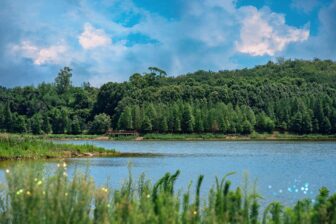
Dajiu Lake (Dajiuhu) is a high‑altitude wetland complex made up of nine interconnected lakes, surrounded by grasslands and forests. It is known for:
-
- mirror‑like reflections of fir forests in the early morning,
- misty, fairy‑tale scenery at sunrise,
- important habitat for migratory birds, deer and aquatic plants.
The boardwalks and small train route around the lakes make it ideal for easy walks, family outings and landscape photography.
Shennong Valley, Natural Bridge and Guanmen Mountain
Shennong Valley is famous for its odd‑shaped peaks, clear streams, fantastic rock formations and rolling cloud seas, often described as Shennongjia’s “No.1 Scenic Spot”.
The area offers half‑day hikes through gorges, waterfalls and dense forest.
Shennongjia International Ski Resort
Near Jiuhuping / Hongping, Shennongjia International Ski Resort is one of central China’s main winter sports areas, with slopes around 2,200–2,300 m.
Around 4 km of runs served by several lifts, with beginner, intermediate and a few steeper options.
A mix of natural and artificial snow, typically from December to March, with average winter temperatures near –4 °C and snow cover for roughly 150 days.
Rental equipment, ski school, cafés and service facilities on site.
It’s not a huge Alpine‑style resort, but it’s a unique place to ski or play in the snow while discovering a lesser‑known mountain region of China.
Other key attractions include:
-
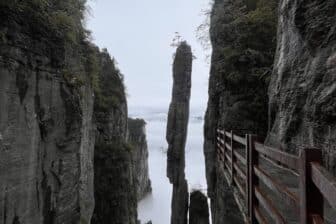
- the Natural Bridge (Tiansheng Bridge), an impressive karst rock arch spanning a steep ravine,
- Guanmen Mountain, one of the best places to spot wildlife, including golden monkeys, while walking through primeval forest on safe, well‑built paths.
Climate and best time to visit Shennongjia
Shennongjia has a mountainous humid subtropical monsoon climate, with strong vertical climate differences depending on altitude:
-
- average annual temperature around 12 °C,
- cool summers at altitude (often 20–25 °C when lowland Hubei exceeds 30 °C),
- cold, snowy winters on the high peaks,
- abundant precipitation, mainly from late spring to early autumn.
This makes Shennongjia an excellent summer escape from the heat of Wuhan and the Yangtze plain, while winter brings snow‑covered forests and frosty scenery in Shennongding and other high areas.
Shennongjia : visits around
Our travel ideas to personalizeSee all tours