

The Wuhan Yangtze River Bridge
The First Bridge Over the Mighty River
Connecting the Banks of the Yangtze
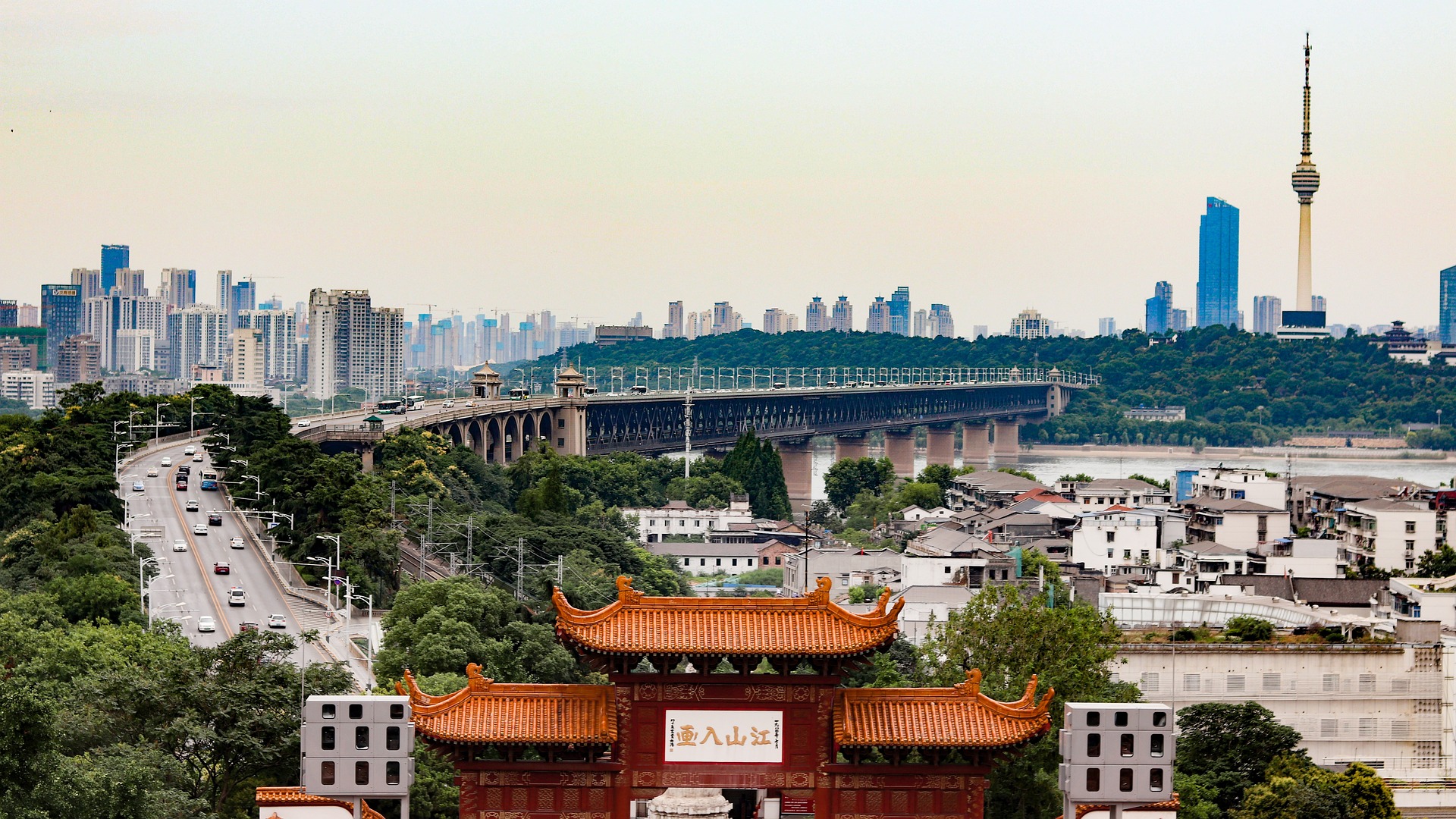
The Wuhan Yangtze River Bridge (Wuhan Changjiang Daqiao) stretches between Snake Mountain (She Shan) in Wuchang District and Tortoise Mountain (Gui Shan) in Hanyang District, spanning the legendary Yangtze River. Known as the “First Bridge of the Ten Thousand Li of the Yangtze”, it stands as a powerful symbol of China’s technological ambition during the mid-20th century.
A Landmark of Modern Chinese Engineering
Construction began on September 1, 1955, and the bridge officially opened to traffic on October 15, 1957. Measuring 1,670.4 meters in length, it features a dual-level structure:
-
- The upper deck carries a four-lane roadway.
- The lower deck carries a double-track railway, forming part of the Beijing–Guangzhou Railway.
Built under one of the 156 Sino-Soviet cooperation projects, the bridge introduced a pioneering technique — the large-diameter tube drilling method, developed by Chinese engineers.
A Historical and Cultural Symbol
The completion of the bridge united Wuhan’s three historic urban areas — Hankou, Hanyang, and Wuchang — connecting northern and southern China both economically and geographically. It became a milestone in the nation’s modernization and national identity.
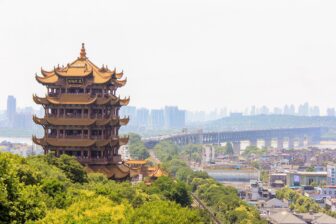
In 1962, the bridge appeared on the third series of renminbi banknotes, and in 2013, it was listed as a National Key Cultural Relic Protection Unit. Today, it remains not only a vital transport route but also a scenic spot offering breathtaking views of the Yangtze River and the nearby Yellow Crane Tower.
Why visit the Wuhan Yangtze River Bridge?
A walk across the bridge provides an unforgettable panoramic view of the Yangtze and the cityscape of Wuhan — a perfect blend of industrial heritage and urban beauty. For travelers, it’s a symbolic link between China’s past and future.