

Shenzhen


Shenzhen, southern China’s high-tech hub
In just a few decades, Shenzhen has grown from a modest fishing village into a metropolis of more than 12 million people, a showcase for Chinese innovation and a natural gateway from Hong Kong. Iconic skyscrapers, creative districts, spectacular museums, robotaxis, and drone deliveries make it an ideal destination if you enjoy vibrant cities, technology, and contemporary architecture.
Must-see attractions in Shenzhen
Ping An Finance Centre & Free Sky observation deck
-
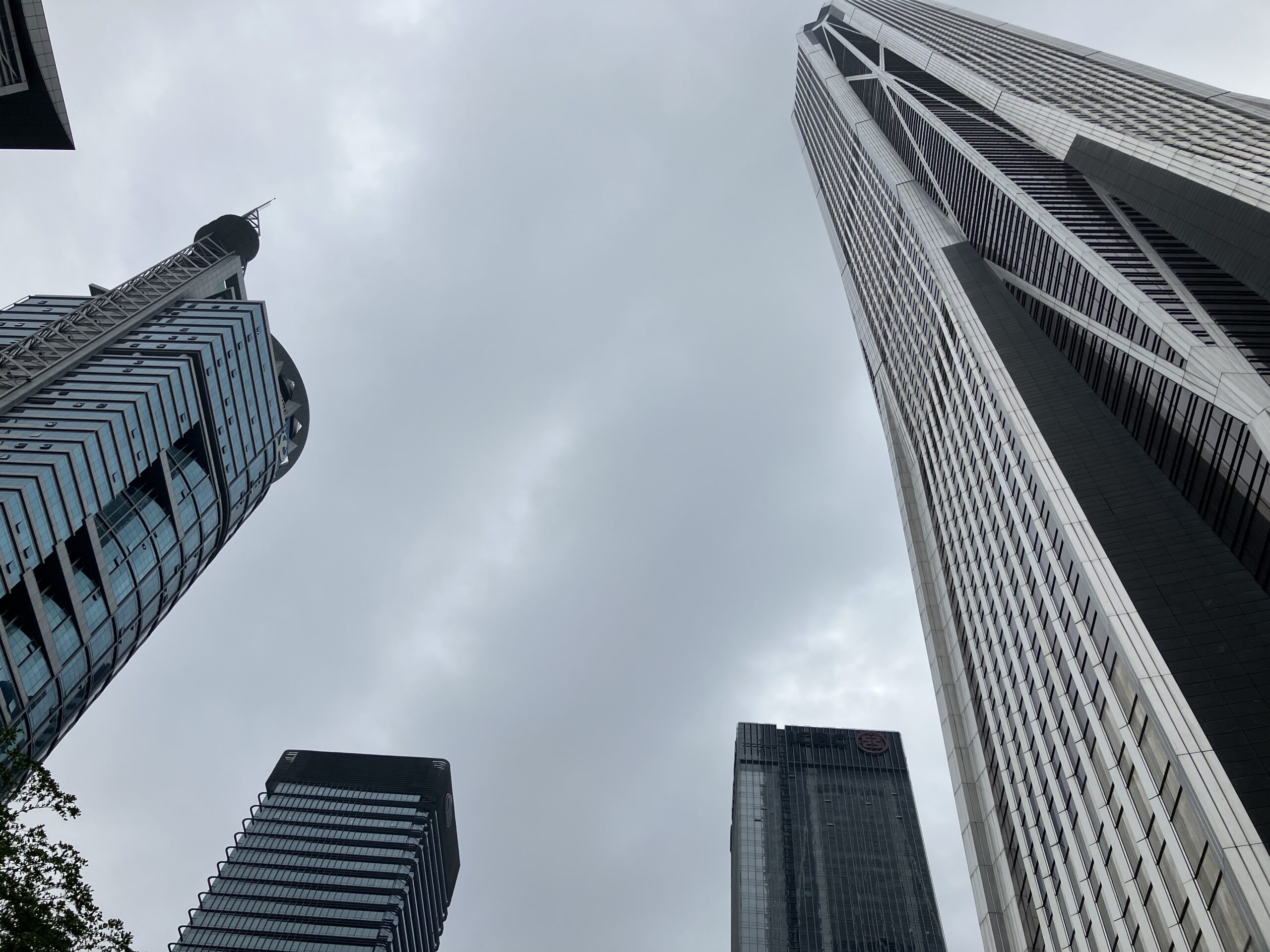
- The world’s fifth-tallest skyscraper (599 m) and China’s second-tallest, the Ping An International Finance Centre towers over Futian’s central business district.
- On the 116th floor, the “Free Sky” observation deck offers 360-degree views of Shenzhen Bay and the Futian and Nanshan districts, stretching as far as Hong Kong on clear days.
- The high-speed lift takes you up in less than a minute, while multimedia displays trace the city’s rapid rise. A glass-floored walkway is also among the world’s highest glass viewing platforms.
- Typical opening hours: generally 10 am–8 pm on weekdays, with extended hours until 9 pm at weekends (check before visiting). Advance tickets cost around RMB 180–220, depending on the booking platform (Trip.com, Klook, etc.).
Shenzhen Science & Technology Museum
-
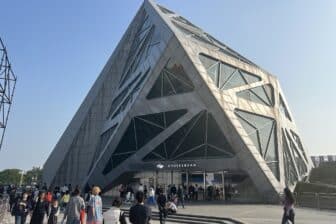
- This spectacular new museum features futuristic architecture and is described as a kind of “interstellar ark” set in the Guangming district.
- Its interactive exhibitions combine robotics, space, AI, energy, the environment, and urban innovation, with displays designed for families and anyone curious about science.
- The museum can be reached by metro or bus from the city centre. Booking a time slot or checking admission requirements is recommended, as entry may be free on some days and paid on others, depending on local policies.
Theme parks & culture
-
- Window of the World, Splendid China Folk Village, and OCT Harbour remain popular choices for combining leisurely walks, shows, and evening attractions.
- OCT Loft Creative Culture Park, in Nanshan, brings together cafés, galleries, bookshops, and design boutiques in renovated former industrial buildings—an ideal place to discover the local creative scene.
Experience the “city of the future”: driverless taxis and tech tours
Shenzhen is one of the tech giants’ favourite testing grounds for autonomous driving, drone deliveries, and AI-powered services.
Themed tours offer the chance to combine several experiences:
-
- A ride in a robotaxi—an autonomous taxi with no driver on board, supervised remotely.
- Ordering a coffee or dessert delivered by drone, which you can watch land on a dedicated platform.
- Visits to AI showrooms, humanoid robot displays, restaurants with robotic service, and flagship stores showcasing drones, electric vehicles, or smartphones.
These experiences are often available as private guided tours, with indicative prices starting at around EUR 70–150 per person, depending on the duration and options.
Independent travellers can also try some services through local apps in Chinese, but a French- or English-speaking guide makes the experience much easier.

Other neighbourhoods and attractions to explore
While technology is a major draw, Shenzhen is also worth exploring for its lively neighbourhoods, parks, and views over the bay.
-
- Futian CBD: the financial district, home to the Ping An Finance Centre, shopping malls, and restaurants, with easy access to the convention centre and Civic Center.
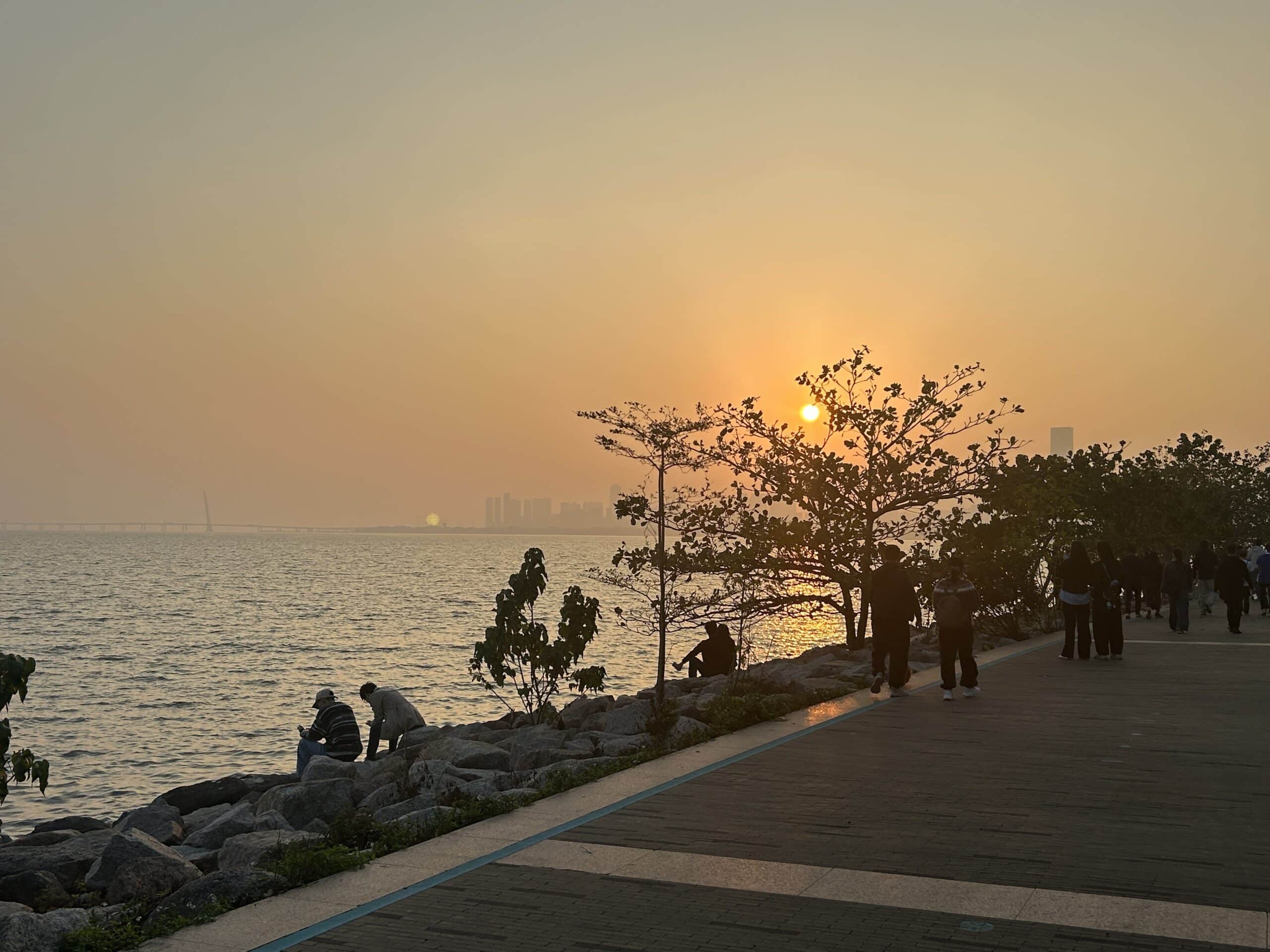
- Nanshan & Shenzhen Bay: waterfront promenades, urban parks, upscale shopping malls, and access to OCT Harbour and start-up hubs.
- Luohu: close to the Hong Kong–Shenzhen border, with shopping areas, railway stations, and convenient hotels for your first night.
For a cultural experience, the Shenzhen Museum, along with some of Nanshan’s art museums and galleries, complements the science museum nicely during a two- to three-day stay.
How to get to Shenzhen and get around
From Hong Kong, there are several options: high-speed trains to Shenzhen North (Shenzhenbei) or Futian, or the metro via the border crossings at Lok Ma Chau / Futian and Lo Wu / Luohu, with very frequent services.
From major Chinese cities such as Beijing, Shanghai, and Guangzhou, Shenzhen is accessible by high-speed train, with frequent flights also serving Shenzhen Bao’an and Hong Kong airports.
Once there, the extensive, modern metro network is the best way to get around, supplemented by taxis, ride-hailing services, and, in certain areas, robotaxis operating along designated routes.
The main attractions—such as the Ping An Finance Centre, theme parks, and museums—charge admission fees. Prices vary but are generally comparable to those in China’s major international cities, so allow a comfortable margin in your budget.